How to Refresh Old Blog Content for SEO in the AI Era
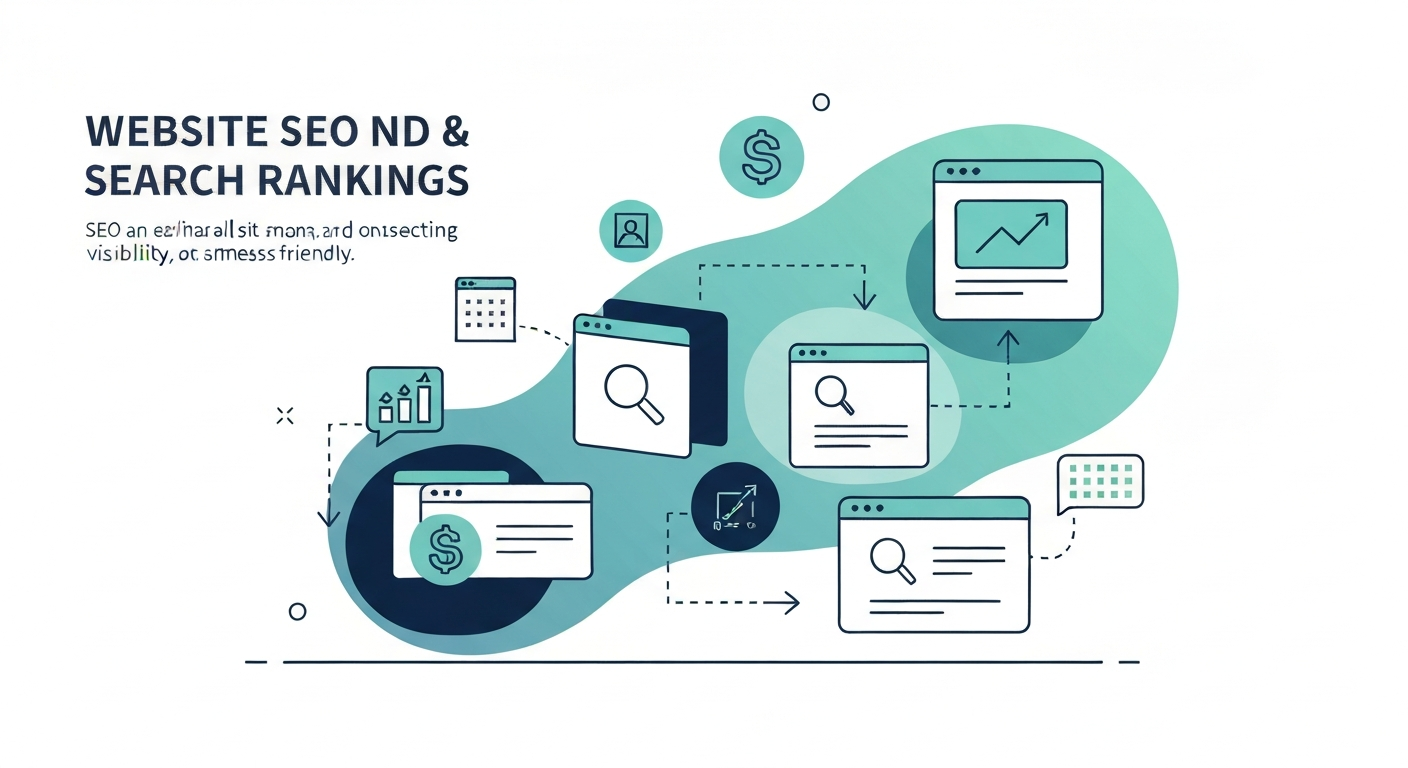
Your old content may still have value. The key is knowing what to keep, what to update, and how to connect it to today's search behavior, buyer questions, and lead follow-up.
Highlights / TLDR
- Old blog content can still help your business if it answers current customer questions.
- AI can help audit outdated posts, find weak sections, suggest better structure, and spot missing topics.
- A content refresh should improve search visibility, but it should also help visitors take the next step.
- Updating old content works best when it connects to service pages, local SEO, email, social media, and follow-up.
- SourceOne helps small businesses refresh content in a way that supports leads, trust, and smarter growth.
Most small businesses have old website content sitting quietly in the background.
A blog post from three years ago.
A service page that has not been touched in a while.
A helpful article that used to get traffic.
A page that still has good ideas but no longer matches how customers search, compare, and decide.
That content is easy to ignore.
But it may be one of the fastest places to improve your website.
Refreshing old blog content can help your business improve SEO, answer better customer questions, strengthen internal links, update outdated information, and turn old posts into fresh marketing assets.
The point is not to change a date and call it new.
The point is to make the content useful again.
Search has changed.
Buyer behavior has changed.
AI-assisted search has changed how people scan for answers.
Customers expect clearer information before they ever call.
That means old content needs to do more than sit on your website.
It needs to help the right person understand the problem, trust your business, and take the next step.
At SourceOne Technologies, we help small service businesses use AI and automation in practical ways. That includes refreshing old content so it works harder across search, email, social media, lead capture, and follow-up.
AI made practical for real businesses.
That is the goal.
Why Old Content Stops Working
Old content does not always fail because it was bad.
Sometimes it was useful when it was written.
But markets change.
Search behavior changes.
Services change.
Customer questions change.
Your business changes.
A blog post that made sense in 2020 may not answer what prospects need in 2026.
A service article may mention old details.
A page may have weak internal links.
A blog may be missing current FAQs.
A post may rank for a topic but fail to capture leads.
A page may get traffic from the wrong audience.
A short article may not provide enough context for a customer who is ready to compare providers.
Google's SEO Starter Guide explains that SEO helps search engines understand content and helps users decide whether they should visit a site from search. That means content has to serve both discovery and human decision-making.
Source: Google SEO Starter Guide
That is why old content matters.
It may already have history.
It may already have links.
It may already be indexed.
It may already be close to ranking.
It may already answer part of a useful question.
Instead of starting from zero, a content refresh lets you improve what already exists.
For a small business, that can be a smart use of time.
You are not creating more content just to be active.
You are improving assets that can help your business get found, build trust, and capture opportunity.
What Content Refresh Means in the AI Era
A content refresh is more than editing a few sentences.
It is a structured update that improves the page for today's search intent, customer questions, service details, and conversion path.
In the AI era, that matters even more.
People are searching in longer, more specific ways.
They are asking full questions.
They are comparing options.
They are using AI tools and search summaries to get quick answers.
They are scanning before they click.
When they do land on your site, they want the page to be clear, useful, and easy to act on.
Google's guidance on helpful content says its ranking systems are designed to prioritize helpful, reliable information created for people, not content created mainly to manipulate search rankings.
Source: Google Helpful Content
That is the right lens.
Refreshing content should not be about stuffing in more keywords.
It should be about making the page better.
Better for the customer.
Better for search.
Better for trust.
Better for lead capture.
AI can help make that process faster and more organized.
It can review existing content.
It can spot outdated sections.
It can suggest missing questions.
It can help group topics.
It can draft improved headings.
It can help write better metadata.
It can recommend internal links.
It can turn one refreshed blog post into emails, social posts, and follow-up messages.
But AI should not replace human judgment.
Your business still needs to check facts, add real experience, explain your process, and approve what gets published.
AI supports the refresh.
Your expertise gives it value.
Step 1: Find the Old Content Worth Updating
Not every old blog post needs to be saved.
Some should be improved.
Some should be combined.
Some should be redirected.
Some may no longer fit your business.
The first step is knowing which content is worth attention.
Good candidates for a refresh include:
- Posts that used to get traffic but have slowed down
- Articles that still answer common customer questions
- Pages that rank on page two or three of search results
- Blog posts that connect to current services
- Articles with outdated examples or old statistics
- Thin posts that could become stronger guides
- Pages with weak CTAs
- Content that does not link to service pages
- Posts that could support email or social campaigns
A small service business may have years of content sitting on the website.
That content may include seasonal tips, service explanations, how-to articles, FAQs, local guides, or customer education posts.
AI can help sort that content into groups.
Keep.
Refresh.
Combine.
Retire.
That makes the work manageable.
Instead of staring at a long blog archive, you get a clearer plan.
At SourceOne, this is how we think about content refreshes.
We do not want to create busywork.
We want to identify the pages that can support visibility, leads, and customer trust.
Step 2: Use AI to Audit What Is Outdated
Once you choose a post to refresh, the next step is to find what needs to change.
AI can help review the article and flag issues such as:
- Outdated information
- Old screenshots or examples
- Weak introductions
- Missing customer questions
- Thin sections
- Unclear headings
- Weak calls to action
- Missing internal links
- Poor keyword alignment
- Missing local context
- No connection to current services
- No follow-up path
This is where AI saves time.
A business owner may know the post feels outdated but not know where to begin.
AI can help create a working list.
For example, an old article about "how to improve your website ranking" may still have good intent.
But it may need to add:
- AI-assisted keyword research
- Content gap analysis
- Updated metadata
- Local SEO context
- FAQ structure
- Conversion improvements
- Better internal links
- Clear next steps
- Lead capture and follow-up ideas
That turns a basic SEO article into a stronger business asset.
Google's guidance on using generative AI content notes that AI can help with tasks such as research and structure, but website owners should focus on accuracy, quality, and relevance.
Source: Google Gen AI Content
That is the balance.
Use AI to make the review faster.
Use human expertise to decide what belongs.
Step 3: Match the Content to Current Search Intent
Search intent is the reason behind a search.
A person searching "how to refresh old blog content" may want a step-by-step guide.
A person searching "content refresh SEO service" may be closer to hiring help.
A person searching "why did my blog traffic drop" may be trying to diagnose a problem.
The content needs to match the intent.
That is where many older posts fall short.
They may answer the topic, but not the reason the person searched.
AI can help identify different search intent patterns around the same topic.
For example, an old post about website SEO could be refreshed for several kinds of intent:
- Educational: "How do I update old blog content?"
- Diagnostic: "Why is old content losing traffic?"
- Action-focused: "What should I update first?"
- Local business: "How can old content help a service business?"
- Buyer intent: "Should we hire help to refresh website content?"
A stronger article can address more of that journey.
It can answer the question.
Explain why it matters.
Show what to update.
Connect the post to service pages.
Offer a clear next step.
This helps the reader and the business.
The reader gets a better answer.
The business gets content that is more likely to support a lead, not just a visit.
Step 4: Expand Thin Sections With Real Buyer Questions
Thin content is common on older websites.
A post may have the right topic but not enough detail to be useful.
A service page may list what the business does but not answer what customers ask before buying.
A blog article may give tips but skip the concerns that hold people back.
AI can help find buyer questions that belong in the content.
For a small service business, those questions often sound like:
How much does this cost?
How long does it take?
What happens first?
When should I call?
Can this wait?
What are the signs I need help?
What makes one provider different from another?
How do I know if this is worth it?
What happens after I submit a form?
What areas do you serve?
Adding these questions can make old content more useful.
It also helps the page match how people search today.
A refreshed article should sound like it understands the customer's real situation.
That does not happen by adding more words.
It happens by adding better answers.
For example, a short post about "spring HVAC maintenance" could become a stronger guide by adding:
- Warning signs before summer
- When to call a technician
- How long a tune-up takes
- What homeowners can check themselves
- What not to ignore
- How to book service
- What happens after the appointment request
That kind of refresh is not just SEO.
It is better customer education.
Step 5: Improve Titles, Headings, and Metadata
A good content refresh should improve the way the page presents itself in search and on the site.
That includes:
- Blog title
- SEO title
- Meta description
- H1
- H2 headings
- FAQ questions
- Image alt text
- Internal anchor text
These details matter because they help search engines and readers understand the page.
A weak title may be too broad.
A meta description may not show value.
A heading structure may be unclear.
A post may have no scannable sections.
AI can help draft stronger options.
For example, an old title like:
"Improve Your Website Ranking"
Could become:
"How to Refresh Old Blog Content for SEO in the AI Era"
That new title is more specific.
It tells the reader what they will learn.
It fits current search behavior.
It also matches a real business problem.
The same goes for meta descriptions.
A weak description may say:
"Learn tips to improve your SEO."
A stronger version may say:
"Learn how to refresh old blog content with AI-assisted audits, updated buyer questions, better internal links, and clearer CTAs."
That gives the searcher a reason to click.
The goal is clarity.
Not hype.
Not tricks.
Just a better match between the page, the search, and the reader's need.
Step 6: Strengthen Internal Links
Internal links help connect your website.
They help visitors find related content.
They help search engines understand page relationships.
They help guide prospects from education to action.
Many older blog posts have weak internal linking.
They may not link to service pages.
They may not connect to related articles.
They may not point readers to a contact page.
They may not guide people toward the next useful step.
AI can help suggest internal link opportunities.
For example, a refreshed blog post about old content could link to:
- A website or SEO service page, if available
- A content or social media service page, if available
- A related article about AI website improvements
- A contact page for help reviewing the site
Since every website is different, internal links should be checked before publishing.
Do not link to pages that are not live yet.
Do not force links where they do not help.
The best internal links feel natural.
They answer the reader's next question.
They move the visitor closer to taking action.
For SourceOne content right now, the safest next step is simple: invite the reader to contact us and talk through what their website and content may be missing.
Step 7: Add a Stronger CTA and Follow-Up Path
Old blog content often ends weakly.
The post may stop after the last tip.
It may have a generic "contact us."
It may not explain why the reader should act.
It may not connect to any follow-up.
That is a problem.
If a visitor reads a useful article, they should know what to do next.
A content refresh should add a CTA that matches the page.
For this topic, the CTA should not feel pushy.
It should feel helpful.
A good CTA might be:
"Not sure which content is worth updating?"
That speaks to the reader's situation.
Then the page can explain that SourceOne helps small businesses identify which content can be refreshed, which pages need stronger SEO, and where AI can help create a smarter system behind the website.
The CTA should connect to a clear next step:
Talk Through Your Website + AI Opportunities
But the CTA is only part of the path.
Behind the scenes, the business should also think about follow-up.
What happens when someone fills out the form?
Does the team get notified?
Does the prospect get a reply?
Is there a lead record?
Is there a next-step message?
Is the lead followed up with if they do not book?
This is where SourceOne's AI and automation work matters.
A refreshed blog post should not just attract a visitor.
It should help capture and move that opportunity forward.
Step 8: Turn the Refreshed Post Into a Campaign
One of the best parts of refreshing old content is that it gives the business fresh material to use across other channels.
A blog post should not live alone.
After a post is updated, it can become:
- A short email to your customer list
- A few social media posts
- A video script
- A Google Business Profile update
- A sales follow-up message
- A FAQ section on a service page
- A lead nurture email
- A team talking point
This is where AI can help small businesses do more with what they have.
You already did the work of improving the article.
Now AI can help turn that improved idea into related assets.
For example, a refreshed post about "how to know when your AC needs repair" could become:
- A seasonal email before summer
- A Facebook post for homeowners
- A short video script for the owner
- A website FAQ
- A follow-up message for leads who asked about AC service
- A review request angle after completed repair work
That is your business running smarter.
Not more random marketing.
A connected system.
Step 9: Measure What Changed
A content refresh should be tied to results.
Not just feelings.
After updating a post, the business should watch simple signals:
- Did the page get more clicks?
- Did impressions change?
- Did rankings improve?
- Did visitors stay longer?
- Did more people click through to service pages?
- Did more people contact the business?
- Did the page support email or social engagement?
- Did it help the team answer common questions?
- Did it create better follow-up opportunities?
Small businesses do not need complicated reporting to learn from refreshed content.
They need simple insight.
What changed?
What helped?
What should we update next?
AI can support that by summarizing performance, finding patterns, and helping prioritize the next refresh.
The bigger goal is not one updated post.
The bigger goal is a content system that keeps improving over time.
What This Looks Like in Practice
Imagine a Denver HVAC company with an old blog post titled:
"5 Tips to Keep Your AC Running"
The post is short.
It has no local context.
It has no FAQ.
It does not link to the AC repair page.
It does not mention warning signs.
It has no clear CTA.
It gets a little traffic every spring, but few leads.
That post may be worth refreshing.
With AI-assisted support, the business could update it into a stronger guide:
"How Do I Know If My AC Needs Repair Before Summer?"
The updated post could include:
- Common signs of AC trouble
- When to call a technician
- What homeowners can check first
- When a repair may not be enough
- Local seasonal context for Denver and the Front Range
- FAQs based on real customer questions
- A link to the relevant service page, if available
- A CTA to contact the business
- A follow-up sequence for new leads
- A short email campaign
- Social posts
- A video script
The old post was a static article.
The refreshed post becomes part of a campaign.
That is the difference.
Content refresh is not just about search rankings.
It is about making old assets useful again.
Why This Matters for AI-Assisted Search
AI-assisted search makes clarity more valuable.
People are asking longer questions.
Search tools are summarizing answers.
Prospects are comparing providers faster.
Thin, vague content is easier to skip.
That means old content needs to be clearer, more complete, and more useful.
A refreshed post should answer the main question directly.
It should support the answer with clear details.
It should include real business context.
It should connect to next steps.
It should avoid generic language that could belong to any business.
This lines up with Google's people-first content guidance. Google recommends evaluating whether content gives visitors a satisfying experience, provides original information, and helps people rather than only targeting search engines.
Source: Google Helpful Content
For a small business, that means your old content should not just be updated for keywords.
It should be updated for the way real prospects decide.
What do they need to know?
What are they worried about?
What proof helps them trust you?
What should they do next?
Those are the questions that make content useful.
What Gets in the Way
Content refreshes can go wrong when the goal is too shallow.
The first mistake is changing dates without improving the content.
That does not create real value.
The second mistake is using AI to add more words without adding better answers.
Longer is not always better.
Clearer is better.
The third mistake is refreshing content without connecting it to the rest of the website.
A useful blog post should support service pages, lead capture, and follow-up.
The fourth mistake is ignoring the business owner's real expertise.
AI can suggest structure and draft content, but it cannot replace the details that make your business trusted.
The fifth mistake is updating content once and forgetting it again.
A strong website should be reviewed over time.
Your services change.
Your customers change.
Your market changes.
Your content should keep up.
Frequently Asked Questions
How often should old blog content be refreshed?
There is no fixed schedule for every business. A good starting point is to review high-value content every six to twelve months. Look first at pages connected to core services, seasonal traffic, common customer questions, or posts that used to perform better than they do now.
Can AI refresh old blog posts for SEO?
Yes, AI can help review old posts, find outdated sections, suggest missing questions, improve structure, draft metadata, and identify internal link opportunities. Human review still matters. Your team should check accuracy, add real experience, and make sure the content reflects how your business actually works.
Should we delete old blog posts that no longer rank?
Not always. Some old posts should be refreshed. Some should be combined with stronger related pages. Some may need redirects. Some may be removed if they no longer fit your services. The right choice depends on traffic, relevance, quality, and business value.
What should we update first in an old blog post?
Start with the title, intro, outdated details, missing customer questions, thin sections, internal links, and CTA. Then check whether the post connects to a current service, location, or offer. The goal is to make the post more useful and easier to act on.
Why work with SourceOne on content refreshes?
SourceOne helps small businesses refresh content with a clear business goal. We look at search visibility, buyer questions, website structure, lead capture, and follow-up. The goal is not just updated content. The goal is content that supports visibility, trust, and growth.
Want to see where AI could save time, improve follow-up, and help your business grow?
Book an AI Growth & Automation Audit with SourceOne Technologies.
Related Resources
9 Ways AI Can Help Improve Your Website and Search Visibility
AI can help small businesses improve website content, search visibility, local SEO, lead capture, and follow-up without adding more work to the owner's plate.
7 Ways to Use AI for Better Website Copy, Emails, and Social Posts
AI can help small businesses write better website copy, emails, and social posts when it is guided by strategy, brand voice, customer questions, and human review.
