
How Small Businesses Can Use AI to Personalize Marketing Without Sounding Robotic
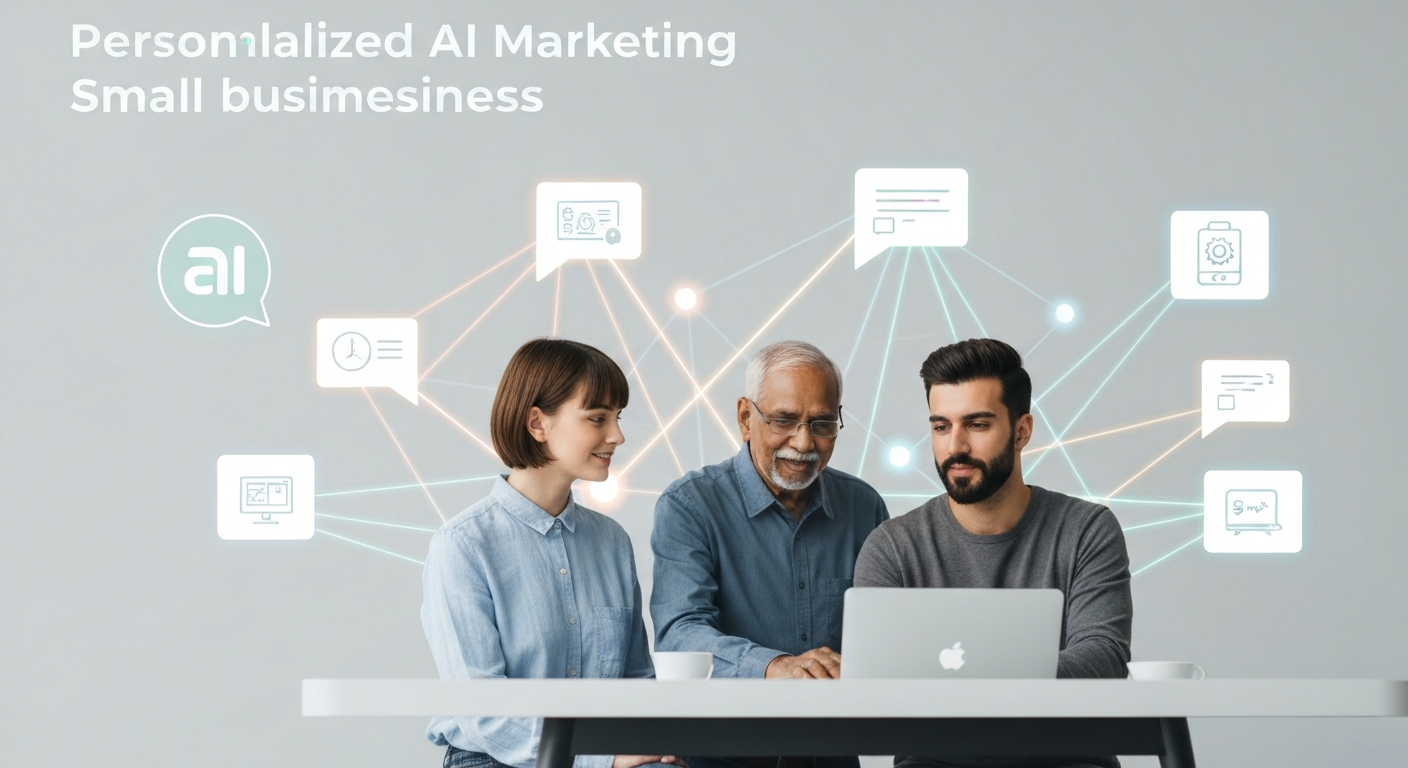
Personalized marketing should make customers feel understood, not tracked. AI can help small businesses send better messages, improve follow-up, and stay relevant without losing the human touch.
Highlights / TLDR
- Personalization is not just adding someone's first name to an email.
- AI can help small businesses segment leads, improve follow-up, and match messages to customer needs.
- The best personalization feels helpful, timely, and relevant.
- Bad personalization feels creepy, generic, or automated in the wrong way.
- SourceOne helps small businesses use AI and automation to create smarter follow-up without making the business feel less human.
Most small business owners already know generic marketing does not work like it used to. People ignore broad email blasts, scroll past posts that do not feel relevant, and delay booking when the message does not match their problem.
That is why personalization matters.
But personalization does not mean adding "Hi, Sarah" to the top of every email and calling it done. It means using what you know about a lead, customer, or past buyer to send the right message at the right time.
For a small service business, that might mean sending a different follow-up to someone who requested a quote than someone who only downloaded a guide. It might mean sending a seasonal reminder to past customers, asking for a review after a completed appointment, or helping a website visitor find the right service based on what they need.
It might also mean making sure a lead who contacted you after hours still gets a helpful reply before they move on to the next business.
That is where AI can help.
AI can help small businesses personalize marketing by organizing contacts, segmenting leads, drafting more relevant messages, supporting behavior-based follow-up, and helping teams respond faster without making the customer experience feel cold.
The goal is not to automate the relationship. The goal is to remove the manual work that keeps good follow-up from happening.
At SourceOne Technologies, we help small service businesses use AI and automation in practical ways. That means building systems that help capture leads, improve follow-up, create better content, and keep customers moving without adding more work to the owner's day.
AI made practical for real businesses.
That is the goal.
Why Personalization Matters More Now
Customers expect businesses to understand them faster. They expect replies that match their question, follow-up that makes sense, and a smoother path from "I'm interested" to "I'm ready to book."
McKinsey has reported that 71% of consumers expect personalized interactions, and 76% feel frustrated when they do not get them. That expectation is not limited to large brands with large teams. Small businesses feel it every day when a prospect compares several providers and chooses the one that responds clearly and quickly.
Source: McKinsey Personalization Report
A homeowner who asks about emergency plumbing does not want a generic monthly newsletter. A patient who asked about teeth whitening does not need the same follow-up as someone asking about a new patient exam. A contractor prospect who already received a quote needs a different message than someone who only visited the website.
Personalization works because it respects where the customer is.
It says, "We understand what you asked about, and here is the next helpful step."
That does not have to be complicated. For many small businesses, better personalization starts with basic organization: who is a new lead, who requested a quote, who booked, who did not respond, who became a customer, who left a review, and who has not returned in six months.
Once those groups are clear, AI and automation can help the business follow up in a way that feels more relevant. This is where small businesses can do more with what they have.
You do not need a massive marketing team. You need a smarter system.
The Line Between Helpful and Robotic
Personalized marketing can go wrong fast. Customers can tell when a message is pretending to be personal, when a business overuses their name, or when the message has nothing to do with what they asked about.
That is when personalization starts to feel robotic.
Or worse, creepy.
Salesforce's 2024 State of the AI Connected Customer report found that 73% of customers said companies treat them like individuals rather than numbers, up from 39% in 2023. At the same time, 71% of customers said they feel more protective of their personal information.
Source: Salesforce State of the Connected Customer
That is the balance small businesses need to get right. People want relevance, but they also want respect.
Good AI personalization should feel like a helpful assistant behind the scenes. It should help the business remember, respond, and follow up. It should not make the customer feel like they are stuck inside a machine.
That means small businesses should personalize around helpful context, such as the service someone asked about, where they are in the buying process, whether they are a new lead or past customer, whether they requested a quote, or whether they recently completed a service.
That is useful personalization.
The business is not trying to impress the customer with technology. It is trying to be more helpful.
That is the SourceOne approach. We build systems that support real customer communication without making the business feel less human.
What AI Personalization Means for a Small Business
AI personalization does not need to be complicated. It does not mean building a system that knows everything about everyone.
It means using simple signals to send better messages.
For a small service business, AI personalization might include tagging leads by service interest, sending different follow-up based on where the lead came from, creating reminder campaigns for past customers, sending review requests after completed jobs, or helping staff respond faster with better message drafts.
Twilio's 2024 State of Customer Engagement Report found that consumers spend an average of 54% more with brands that personalize experiences, while only 16% of brands say they have the customer data they need to do personalization well. The same report found that 49% of consumers would trust a brand more if it explained how customer data is used in AI-powered interactions.
Source: Twilio State of Customer Engagement
That tells us two things.
Personalization matters. Trust matters just as much.
A small business does not need to collect every possible piece of data. It needs to use the right data responsibly.
That might be as simple as knowing this person asked about AC repair, this person requested a roof estimate, this person booked a consultation, this person has not responded, this person became a customer, or this person should receive a review request.
AI can help organize those signals and turn them into practical follow-up.
That is where personalization becomes useful.
1. Start With Better Lead Segmentation
Segmentation means grouping contacts based on what matters. Without segmentation, everyone gets the same message, and that is where marketing starts to feel generic.
A new lead is different from a past customer. A quote request is different from a newsletter signup. An emergency service inquiry is different from a long-term research question.
AI can help small businesses sort leads into useful groups. This can happen through forms, website chats, CRM tags, call notes, email clicks, or staff updates.
A small service business might use simple segments like:
- New lead
- Quote requested
- Appointment booked
- No response
- Past customer
- Review requested
- Seasonal reminder
- Interested in specific service
- High-priority inquiry
- Needs follow-up
These groups do not need fancy names. They just need to help the business send better messages.
For example, a plumber might segment leads by emergency repair, drain cleaning, water heater replacement, and maintenance. A med spa might segment by treatment interest. A contractor might segment by project type and quote stage.
Once contacts are grouped clearly, AI can help draft messages that match each situation. That is the first step toward marketing that feels more personal without adding more manual work.
2. Use CRM Tags to Keep Follow-Up Organized
A CRM is simply the system that helps track leads and customers. Tags are labels inside that system. They help your business know what someone asked about, what stage they are in, and what should happen next.
For many small businesses, this is where follow-up breaks down. The lead comes in, someone talks to them, maybe a quote gets sent, maybe a note is made, and maybe someone remembers to follow up.
CRM tags help reduce that guesswork.
A lead could be tagged as AC repair inquiry, quote sent, needs follow-up, booked appointment, no-show, past customer, review needed, maintenance reminder, VIP customer, or referred lead.
AI and automation can then use those tags to support the next step. If someone is tagged "quote sent," the system can remind the team to follow up. If someone is tagged "past customer," they can receive a seasonal campaign. If someone is tagged "review needed," they can receive a review request.
This is not about sending more messages. It is about sending messages that make sense.
The customer should feel like the business is paying attention. The team should feel like the system is helping them stay organized.
That is your business running smarter.
3. Personalize Email Without Overdoing It
Email is still one of the best ways for small businesses to stay connected with leads and customers. But email only works when it feels relevant.
A personalized email does not have to be complicated. It can be as simple as sending service-specific follow-up, seasonal reminders based on past work, different emails to leads and customers, quote follow-ups after a few days, or education based on what someone asked about.
For example, a local HVAC company could send a spring AC tune-up reminder to past customers, a repair follow-up to people who requested service, a replacement guide to people who asked about new systems, and a review request after completed appointments.
That feels more relevant than sending the same monthly update to everyone.
AI can help plan and draft those messages. It can suggest subject lines, adjust tone, create versions for different groups, and turn one blog post into an email sequence.
But the business should still review the final message. The email should sound like the business, make sense to the customer, and have one clear next step.
AI can make the work faster. Human review keeps it trustworthy.
4. Use Behavior-Based Follow-Up
Behavior-based follow-up means the next message depends on what someone did. That might include filling out a contact form, clicking a link, opening an email, requesting a quote, missing an appointment, completing a service, leaving a review, or visiting a landing page.
This type of follow-up is useful because timing matters. A lead who just asked for a quote should not be treated the same as someone who has not engaged in months. A customer who just completed a service should not get a sales pitch before they get a thank-you or review request.
AI and automation can help the business respond to those signals.
If someone fills out a form after hours, they can get a fast reply. If someone requests a quote, they can receive a helpful next-step message. If someone does not book, they can get a friendly follow-up. If someone completes a job, they can receive a review request.
This is where personalization helps small businesses never miss another lead.
The system does not replace the team. It helps the team respond faster and with more context.
That can make the business feel more professional, more organized, and more responsive.
5. Make Review Requests Feel More Human
Reviews are one of the strongest trust signals a small business has, but review requests often feel like an afterthought. A generic text goes out, the customer ignores it, and the business forgets to ask again.
AI and automation can help make review requests more timely and more personal. The best time to ask is usually after a positive experience, completed service, or successful appointment.
The message should feel simple and human.
For example:
"Thank you for choosing us today. If our team made the process easy, would you be willing to leave a quick review? It helps other local customers know what to expect."
That feels different from:
"Dear valued customer, please review our business."
AI can help draft review requests based on the service, customer type, or tone of the business. It can also help organize review themes.
If customers often mention fast response, clear communication, clean work, friendly staff, or fair pricing, those themes can become part of future marketing.
That is personalization too.
You are listening to what customers already value and reflecting it back in your content, website, email, and follow-up.
6. Avoid the Creepy Side of Automation
Personalization should never make customers uncomfortable. There is a line between helpful and too much.
Helpful sounds like:
"You asked about AC repair. Here is what happens next."
Too much sounds like:
"We noticed you looked at our AC repair page three times last night."
Helpful sounds like:
"Your service was completed today. Here is a quick review link if you would like to share your experience."
Too much sounds like:
"We tracked your behavior and know you may be ready to buy."
Small businesses should stay on the helpful side. That means being clear about why someone is receiving a message, using customer information to help rather than pressure, keeping messages simple, and giving people a clear way to reply or take the next step.
It also means not pretending an automated message is a personal note from someone who never saw it.
This matters because trust is easy to lose. AI can help your business communicate better, but only when the system respects the customer.
At SourceOne, we believe AI should serve the business owner and the customer. It should save time, improve follow-up, and make the experience smoother.
It should not make people feel like they are being handled by a machine.
What This Looks Like in Practice
Imagine a Denver med spa that gets leads from the website, Instagram, referrals, and Google. The team offers several services, and each lead arrives with a different need.
Some leads ask about pricing. Some ask about one treatment. Some are ready to book. Some need more education. Some book a consultation and then disappear. Some become great customers but never leave a review.
Without a system, every lead feels like a one-off conversation. The owner and team try to keep up manually, but messages sit too long, follow-up varies by staff member, email is sent only when someone has time, and reviews are requested inconsistently.
Now imagine AI personalization and automation working behind the scenes.
A website lead asks about a treatment. The system tags the lead by service interest and sends a fast reply with the next step. If they do not book, they get a helpful follow-up. If they book, they get appointment reminders. After the visit, they receive a thank-you message and a review request.
The owner can also see which leads came in, which booked, which need follow-up, and which campaigns are working.
That is not robotic.
That is organized.
The customer gets a smoother experience. The team saves time. The business captures more opportunity.
That same approach can work for HVAC companies, plumbers, dentists, chiropractors, contractors, landscapers, attorneys, accountants, auto repair shops, salons, coaches, and other service businesses.
The details change, but the need stays the same: send the right message, at the right time, to the right person, with a clear next step.
The SourceOne Approach: Personalization With a Human Center
At SourceOne Technologies, we do not look at AI personalization as a way to send more messages. We look at it as a way to make the right communication easier.
That starts with the business problem.
Are leads not being followed up fast enough? Are past customers not coming back? Are review requests inconsistent? Are email campaigns too generic? Are website leads getting lost? Are customers asking the same questions again and again?
Once the problem is clear, AI has a job.
We help small businesses build systems that can capture leads, tag contacts by need or interest, send faster replies, create better email follow-up, request reviews, support reactivation campaigns, turn customer questions into content, help the team stay organized, and track the results that matter.
The goal is simple: use AI to make the business feel more responsive, more organized, and more helpful.
Not less human.
We build it. We run it. You grow.
What Gets in the Way
AI personalization fails when the system is built around the tool instead of the customer.
The first problem is bad data. If the contact list is messy, the messaging will be messy.
The second problem is over-automation. Not every message needs to be automated. Some moments need a real person.
The third problem is generic AI content. Fast does not mean useful. A message still needs context, warmth, and a reason to exist.
The fourth problem is sending too much. Personalization should reduce noise, not add to it.
The fifth problem is no follow-up path. A personalized email is helpful, but what happens next? Does the lead get tagged? Does the team get notified? Does the quote get followed up? Does the review request go out?
That is where the system matters.
Personalization is not one message. It is the full path around that message.
Frequently Asked Questions
What is AI personalization for small business marketing?
AI personalization uses customer information, behavior, and context to help send more relevant marketing and follow-up. For small businesses, that may include CRM tags, service-interest groups, quote follow-ups, review requests, email campaigns, missed-call replies, and customer reactivation messages.
Will personalized automation make my business sound robotic?
It can if it is set up poorly. Good automation should feel helpful, clear, and human. The message should match what the customer asked about, use plain language, and offer a useful next step. AI should support your voice, not replace it.
What customer data should a small business use for personalization?
Start with simple, useful information: service interest, lead source, quote status, appointment status, past customer status, review status, and recent actions like form submissions or email clicks. You do not need to know everything. You need enough context to send a better message.
Can AI help with follow-up after someone requests a quote?
Yes. AI and automation can help send quote follow-ups, reminders, helpful education, and team notifications. This is one of the best places to start because many small businesses lose revenue when warm leads are not followed up quickly or consistently.
Why work with SourceOne on AI personalization and automation?
SourceOne helps small businesses build practical systems around real business goals. We help capture leads, organize contacts, personalize follow-up, request reviews, and track what is working so AI supports growth instead of becoming one more tool to manage.
Want to see where AI could save time, improve follow-up, and help your business grow?
Book an AI Growth & Automation Audit with SourceOne Technologies.
Related Resources
9 AI-Friendly Ways to Grow Your Email List and Capture Better Leads
AI can help small businesses grow an email list by improving lead magnets, forms, CRM tags, welcome sequences, newsletters, and follow-up.
7 Ways to Use AI for Better Website Copy, Emails, and Social Posts
AI can help small businesses write better website copy, emails, and social posts when it is guided by strategy, brand voice, customer questions, and human review.
